Outside the system

From Steel Nationalisation to Plug-In Solar: Keir Starmer’s Final Acts in Government

The outgoing PM sneaked a lot of significant announcements out just before he left office

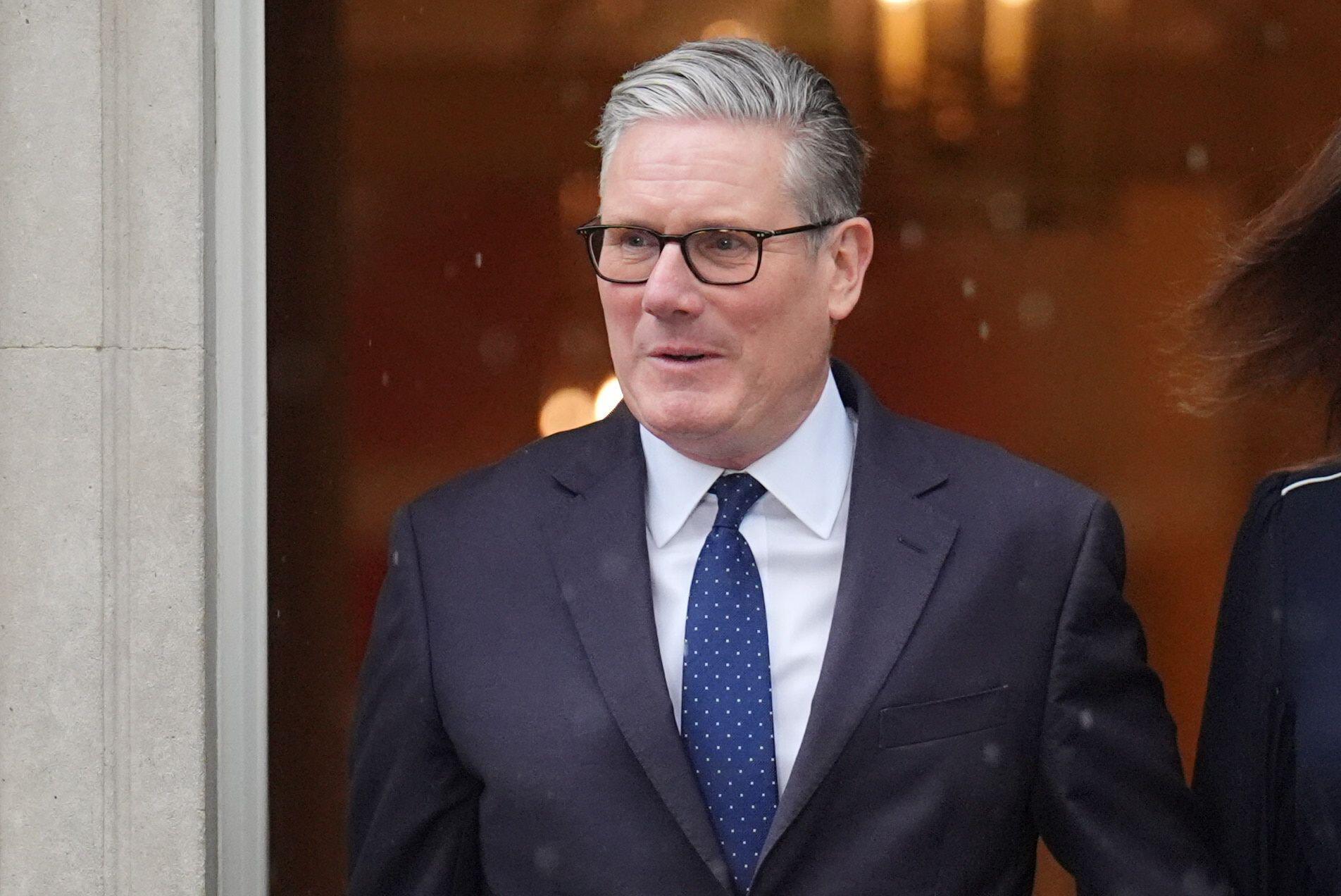
Then-Prime Minister Sir Keir Starmer leaves number 10 Downing Street, London this May. Photo: James Manning/PA Images/Alamy

Read our Monthly Magazine

And support our mission to provide fearless stories about and outside the media system

Keir Starmer got a lot done in his last week in office. Much of it you’ll be forgiven for missing, since the media was focused on the man about to take his job.

But these are some major changes that the now-former PM will be hoping adds to his legacy. It may not be noticed now, but it may be in a few years.

The announcements below are from the 12th July to the 19th, Keir Starmer’s last full week in office. So this is just a snapshot of his final flourishes. There’s a lot in here nonetheless.


Plug-In Solar

Byline Times spotted some legislation quietly laid just before Starmer’s departure. It is secondary legislation and doesn’t need a vote. The rules to legalise installing plug-in solar set-ups (or ‘balcony solar’ as it’s often known), without needing an electrician for sign-off, come into force at the end of August.

That means millions more people will have access to solar power, particularly those who don’t own a roof. That’s just in time to meet the Government’s self-imposed deadline of getting the rules in place by the end of the summer.

A Department for Energy Security and Net Zero spokesperson told this outlet: “We expect plug-in solar panels to be available to buy this summer, giving millions of households the opportunity to cut their energy bills.

“Already widely used throughout Europe, these easy-to-install panels could save many households significant amounts of money while supporting our drive for clean, homegrown power.”

The spokesperson said Government was working to remove barriers as quickly as possible so that “every household can have the choice to install plug-in solar in their homes.”

ENJOYING THIS ARTICLE? HELP US TO PRODUCE MORE

Receive the monthly Byline Times newspaper and help to support fearless, independent journalism that breaks stories, shapes the agenda and holds power to account.

We’re not funded by a billionaire oligarch or an offshore hedge-fund. We rely on our readers to fund our journalism. If you like what we do, please subscribe.

British Steel Nationalised

A nationalisation of this scale would usually flood the front pages.

On 16th July, Keir Starmer’s Government took British Steel into public ownership, “to protect the future of steel production in the UK.”

The move follows the recent Steel Industry (Nationalisation) Act becoming law. Ministers concluded that bringing the company into public ownership was necessary to protect the UK’s national interest.

Maintaining steel production at British Steel’s Scunthorpe site is considered essential to preserving the UK’s ability to make steel domestically. Former Chinese owner Jingye protested against the move, but the risk of production stopping altogether there was considered something the Government had to prevent. PM Starmer said British Steel is “part of the fabric of our nation and a cornerstone of Britain’s industrial strength.”

In a separate but related announcement, also enacted under Keir Starmer, all government contracts using steel will have to confirm whether they are using British steel, or explain why they are not.

There is also new guidance to all government departments to use the national security powers in the 2023 Procurement Act to directly award certain government contracts (“where appropriate and lawful”) to British companies, including steel, shipbuilding, the energy sector and AI initially.


Review of Election Spending Limits

This could be a big one for the future of free and fair elections. The Government has asked the Electoral Commission to review party spending limits for UK elections, which were massively hiked by the Conservatives, with little debate, in 2023.

Minister Dixon wrote, in a missive that received practically zero coverage: “In December 2025, in light of the Nathan Gill case, and the deeply concerning evidence of Russian state-linked actors’ attempt to influence democracy in the UK, the Government appointed Philip Rycroft to lead an independent review into foreign financial interference in UK politics. The review set out to rigorously test the financial safeguards we currently have in place and recommend areas for improving mitigations…

“Philip Rycroft argued that reducing spending limits could potentially relieve some of the fund-raising pressure, in turn diminishing the inducement to look to non-permissible sources to stay ahead.” Making a recommendation was out of his remit so the Government is asking the EC to look at it, and come back with recommendations within a year.

Don’t miss a story

“Party spending limits were raised significantly for the first time in 2023, and since then we have seen many stakeholders argue for lower limits, including Transparency International and Spotlight on Corruption.

” Considering the concerns I have heard during the course of the Bill, and the wider views presented by Mr Rycroft and other stakeholders, I am of the opinion that an independent assessment is needed of the adequacy of the current spending limits in electoral law,” the Minister wrote. The Electoral Commission has agreed to conduct the review. The full letter is here.


Solar for Schools

Nearly 250 schools and colleges in England already have government-funded solar panels, slashing their bills and freeing up cash for pupils. Now 100 more will join the Great British Energy Solar Partnership, backed by “up to £40 million” from the Government. Another 150 are joining a pilot project working with private firms but with no upfront cost (presumably a ‘rental’ or repayment model).

Secondary schools who have had solar panels installed, and their lights upgraded to LED lighting, are according to Government figures saving £58,600 a year, and primaries £21,000 – cash going straight back into teaching.


Dartmoor Ponies Saved

Following a lot of consternation from animal lovers – and a fair amount of media frenzy – Dartmoor ponies will be removed from ‘stocking rate calculations’, so that farmers do not face a choice between keeping ponies and maintaining sheep or cattle.

A new dedicated pony supplement will be introduced into farming schemes to remove any financial incentive to reduce pony populations in the Devon National Park.
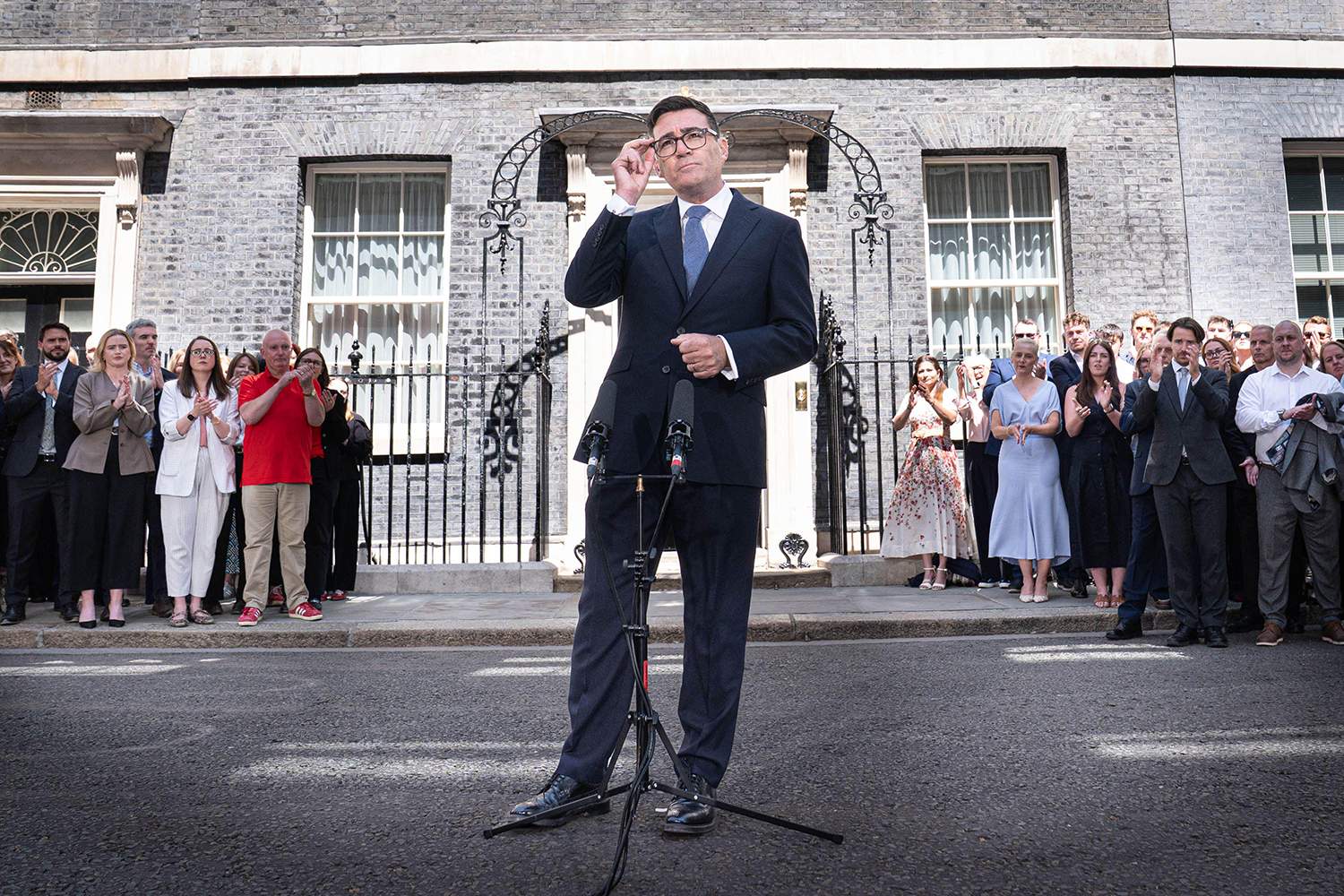
Andy Burnham’s Cabinet Represents Starmerism Without Starmer

The new Prime Minister promised radical change, yet his picks for the Cabinet tell a very different story, argues Adam Bienkov

Awaab’s Law Progress

All social housing tenants will get more rights to have serious problems dealt with faster, under strict new rules for landlords from 30 November 2026.

The changes are being brought in under Awaab’s Law – introduced after two-year-old Awaab Ishak died in 2020 after living with dangerous damp and mould.

Social landlords will have to fix more dangers like electrical faults, pest infestations and unsafe stairs to quicker timeframes. More hazards that pose an “immediate danger” to social housing tenants must be investigated and made safe within 24 hours, and serious issues that aren’t an immediate danger will have to be fixed ‘short term’ within around 15 days (12 weeks to start longer structural repairs).


Small Boats Inquiry

On 9 November 2023, the then Secretary of State for Transport announced an Inquiry into the tragic events of November 2021 when at least 30 people died attempting to cross the channel in a small boat. On 5 February 2026, Sir Ross Cranston published the Inquiry’s report.

The Inquiry made 18 recommendations. 15 were principally operational, and three focused on policy matters related to legislation, oversight and ownership of rescue vessels. The Government under PM Starmer published its interim report last week, accepting 15 operational recommendations in full.


IRGC Banned

The Islamic Revolutionary Guard Corps (IRGC), the Islamic Movement of Companions of the Right (IMCR), and Russia’s GRU Volunteer Corps have formally been designated under the (very new) National Security (State Threats) Act 2026, after Parliament approved an order laid by the Home Secretary on Monday (13 July) “to protect the safety of the UK.” It is now a criminal offence to express support for these bodies.

There have long been calls to outlaw the IRGC, which officials believe are linked to a wave of attacks on Jewish groups in the UK, and hacking efforts against businesses and infrastructure.

The Missing Part Of Keir Starmer’s Plan To Clamp Down On Foreign Election Meddling

The UK Government has announced a series of major reforms designed to prevent foreign interference in our politics, yet campaigners fear they have left the “biggest loophole” of all untouched

Energy Drinks

The Government will ban the sale of high-caffeine energy drinks to under 16s in England.

The proposals, ministers said, will protect thousands of children who drink high-caffeine energy drinks daily. The ban will come into force in April 2027 and will apply in shops, vending machines and online.


Planning Overhaul…Mooted

Starmer’s Government launched a consultation on extending reforms that limit legal challenges against Nationally Significant Infrastructure Projects (NSIPs) to major housing, transport and energy developments – such as solar projects, road building or affordable homes.

A spokesperson said: “While judicial review remains a vital safeguard, the consultation will explore targeted reforms – including limiting repeated unsuccessful attempts to bring claims and introducing clearer court timetables – to prevent weak and meritless challenges from holding up nationally important projects, while protecting access to justice and the rule of law.”


Coastguard U-Turn

Plans to move to an ‘expenses-only’ volunteer model for the Coastguard Rescue Service in September 2026 have been scrapped, following a backlash. Minister Keir Mather said he had “heard the deep concerns from many in the coastguard rescue officer community about this change” and listened.


Social Care Clout

A new negotiating body is being set up as part of the first ever adult social care fair pay agreement, representing millions of care workers. Made up of trade unions and employers, the body will negotiate on pay, terms and conditions and wider employment matters, “giving care workers a voice.” It was a Labour manifesto pledge that’s now being met. The new Adult Social Care Negotiating Body will be set up by the end of the year.


Other Announcements

The outgoing PM did a lot of international work in his final weeks, perhaps a hint of his post-politics career. He cemented relations with Ukraine with a visit and a show of UK solidarity – plus €300 million to help deliver advanced Swedish Gripen fighter jets to Ukraine.

Jewish communities will see a “major boost in protection” with more than £250 million in funding across the next three years, “as ministers step up efforts to keep communities safe following a series of attacks in London and the raising of the national terror threat level from substantial to severe.” The funding will deliver over 500 additional officers across England and Wales, for security in Jewish neighbourhoods and around schools, synagogues and community centres, while strengthening national counter-terrorism capabilities.

The Government has accelerated a drive to protect 30% of England’s land for nature by 2030, with what it calls a “clear path” to the internationally-agreed target of protecting and improving 30% of land by 2030.

Consumers who want a refund for faulty goods will now have the same clear, enforceable rights as they would with any other regulated financial product. Buy-Now, Pay-Later firms must now carry out affordability checks before offering credit, “ensuring no one borrows what they cannot realistically repay.”

The Real ‘Moral Bankruptcy’ That Brought Down Keir Starmer’s Premiership

The Prime Minister promised to restore morality to our politics, but ended up falling far short of his own standards, argues Adam Bienkov

The ‘Music Growth Package’ will receive a new cash injection of £15 million from Arts Council England – bringing it to £45 million in total. The Government says it will support more than 2,000 projects and at least 40,000 artists and music professionals over the next three years.

It includes “at least” £12.5 million of funding for a Music in Libraries initiative, which will be co-designed by the Ed Sheeran Foundation and other partners. Library services in England will be able to apply for the funding to create free studio spaces, recording booths, mixing desks and state-of-the-art equipment.

British lawyers, accountants, architects and other service providers will reportedly benefit from the UK’s “most significant trade deal for services ever” following an agreement made between the UK and Switzerland last week. Officials say the new Free Trade Agreement (FTA) will unlock around £5.2 billion a year in additional UK services exports to Switzerland “in the long run”.

The Government announced that the first set of regulations on social media restrictions for under-18s (including a ban on social media for under-16s) will be laid before Parliament by the end of this year, with measures expected to come into force in spring 2027, “alongside robust implementation and enforcement.”

Just outside our coverage window, from the 10th July, is the fact that the UK ratified the Biodiversity Beyond National Jurisdiction Agreement – a “landmark treaty” to better protect the world’s oceans.

Big new fines for fly-tippers. New legislation will increase the maximum fine for fly-tipping waste to £5,000 – a 400% uplift from the previous level of £1,000. The top fine for littering on streets will also be increased to £750 – up 50%. (The announcement itself doesn’t say, but it applies only to England as much of this is devolved in Scotland and Wales).

Under proposals published on 15th July, barristers undertaking legal aid (government-funded) work will receive an average fee increase of 11 per cent, “recognising their vital role in delivering justice and supporting efforts to tackle court delays.” Barristers handling rape and serious sexual offence cases will see fee increases of more than 13 per cent, rising to almost 50 per cent in some guilty plea cases.

The Ethics and Integrity Commission has been beefed up with some strong new appointments.

The loudest fireworks are set to be banned, following (another) consultation.

A rough timetable has been set out for leasehold reforms, to give leaseholders more transparency and protect them from unfair charges.

All the Big Government Reforms the Media is Missing During Keir Starmer’s Leadership Crisis

No 10 says its plan for the UK is starting to work but will anyone hear about it?

A website has gone live for families to find cheaper days out and children’s meals in restaurants closer to home, via the Great British Summer Savings scheme which is currently live. Chancellor Reeves cut VAT from 20% to 5% on eligible activities including family tickets to the cinema, admission tickets for both children and adults to amusement parks, and children’s meals in restaurants from 25 June to 1 September.

The risk of democratic interference has been added to the Government’s National Risk Register. This is significant because it makes it a priority for professionals to prepare for risks and be vigilant about the risk of foreign meddling in our democracy.

Tougher rules on executive pay in academy trusts in England – exec pay must not rise at a faster rate than teachers.

The Government has laid the legislation to legalise electronic balloting for trade unions, including strike and general secretary votes. Unions have been banned from letting members vote online until it’s legalised this October.

Consultation on equal pay launched, “to root out unfairness from the equal pay system so that it works for everyone.”

Border opened up between Gibraltar and Spain, as the UK signed a Treaty with the EU which “delivers economic and trade certainty for people and businesses in Gibraltar, while safeguarding British sovereignty and protecting UK military operations.”

Fulfilling a call of families who’ve had relatives taken hostage abroad: Alistair Burt has been appointed the UK’s first ever envoy for complex consular cases. He will focus on “the most difficult and complex detention cases involving British people overseas, including those with human rights concerns.” Such as media figure Jimmy Lai, imprisoned in Hong Kong, and many more.

Finally, 26 new peerages were announced and there may be further resignation honours to come. Among those ennobled are Sir Sadiq Khan – now Lord Khan, and Christina McAnea – former General Secretary of Unison who lost out to the left-wing Andrea McAnea recently.

Keir Starmer was busy in his final weeks. He’s unlikely to be thanked for it in the short-term, but hindsight can be a surprising thing.


Got a story? Get in touch in confidence on josiah@bylinetimes.com 

Subscribers Get More from JOSIAH

Josiah Mortimer also writes the On the Ground column, exclusive to the print edition of Byline Times.

So for more from him…


Written by

This article was filed under
, ,